
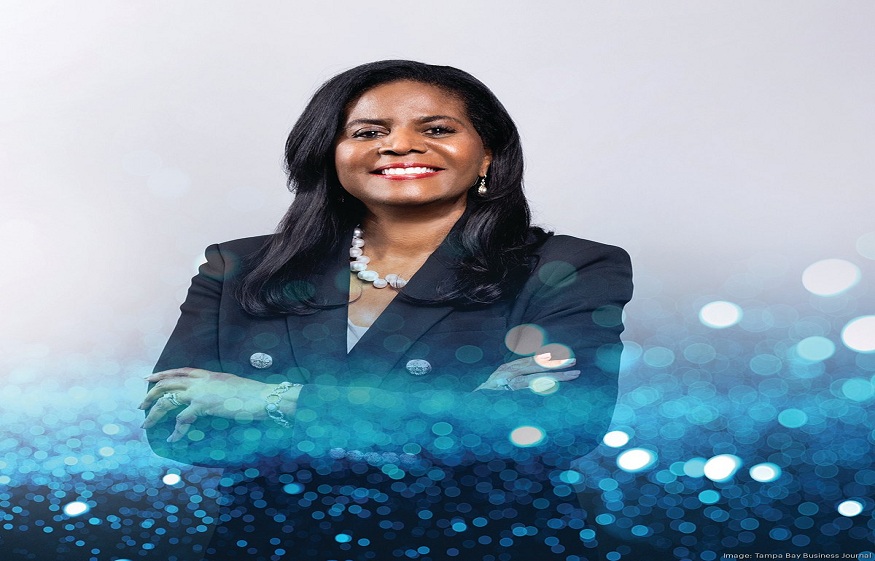

Public health extends far beyond preventing illness or providing medical treatment. It also involves creating social and environmental conditions that allow people to live healthy, connected, and dignified lives. For many years, however, inclusion was often treated as an additional feature rather than a central part of community health. As per Valerie Powell Stafford, this approach is gradually changing as programs in schools, neighborhoods, sports, and community organizations demonstrate that inclusive environments can improve health and well-being for everyone.
Valerie Powell Stafford highlights why inclusive community programs strengthen public health values
Traditional public health efforts often emphasize vaccination, disease prevention, chronic condition management, and access to healthcare. Although these areas remain important, health also depends on mental and social well-being. A person’s sense of belonging, ability to participate, and experience of being respected can strongly influence overall quality of life. Inclusive community programs address these broader needs by bringing people with and without disabilities together through sports, volunteering, creative activities, and civic participation. Such programs can reduce isolation and loneliness while encouraging physical activity and meaningful relationships. In this way, inclusion can function as a form of preventive health support rather than simply a social initiative.
Read More : THE RISE OF FUNCTIONAL SNACKING IN THE PET WORLD
Special Olympics provides a strong example of how inclusion and public health can work together. Its programs make athletic participation accessible while also creating opportunities for health education, screening, and social connection. Participants may develop friendships, while teammates and volunteers can become advocates for greater accessibility in schools, workplaces, and public spaces.
Dignity is an important part of public health, even though it is not normally measured in the same way as blood pressure or body weight. Experiences of discrimination, exclusion, and marginalization can contribute to long-term stress and negatively affect physical and mental well-being. Inclusive programs can help reduce these pressures by creating environments where people are respected for their abilities and contributions. The strongest programs move away from a charity-based model and instead emphasize belonging and partnership. Rather than treating people with disabilities solely as recipients of assistance, these programs recognize them as athletes, volunteers, leaders, mentors, and decision-makers. This approach can strengthen confidence, motivation, social relationships, and participation in healthy activities.
As Valerie Powell Stafford mentions that inclusive programs benefit entire communities rather than only the people directly targeted by them. Inclusive sporting events, volunteer opportunities, and school activities can encourage social interaction, physical activity, empathy, and civic participation. Young people exposed to inclusive environments may develop greater understanding of differences and become less likely to engage in exclusionary or bullying behavior. For this reason, inclusion should not be viewed as a burden placed on the majority for the benefit of a smaller group. Instead, it represents a community-wide investment. When more people can participate, contribute, and form meaningful relationships, the social resources that support health become stronger.
Read More : TIPS FOR FIRST-TIME VISITORS TO MOUNT VERNON DISPENSARIES
The broader purpose of public health is to help people live longer, healthier, and more connected lives. Inclusive community programs demonstrate that belonging is an important part of achieving that goal. Dignity can reduce the harmful effects of exclusion, meaningful access can create opportunities for participation and leadership, and shared decision-making can produce stronger community programs.