
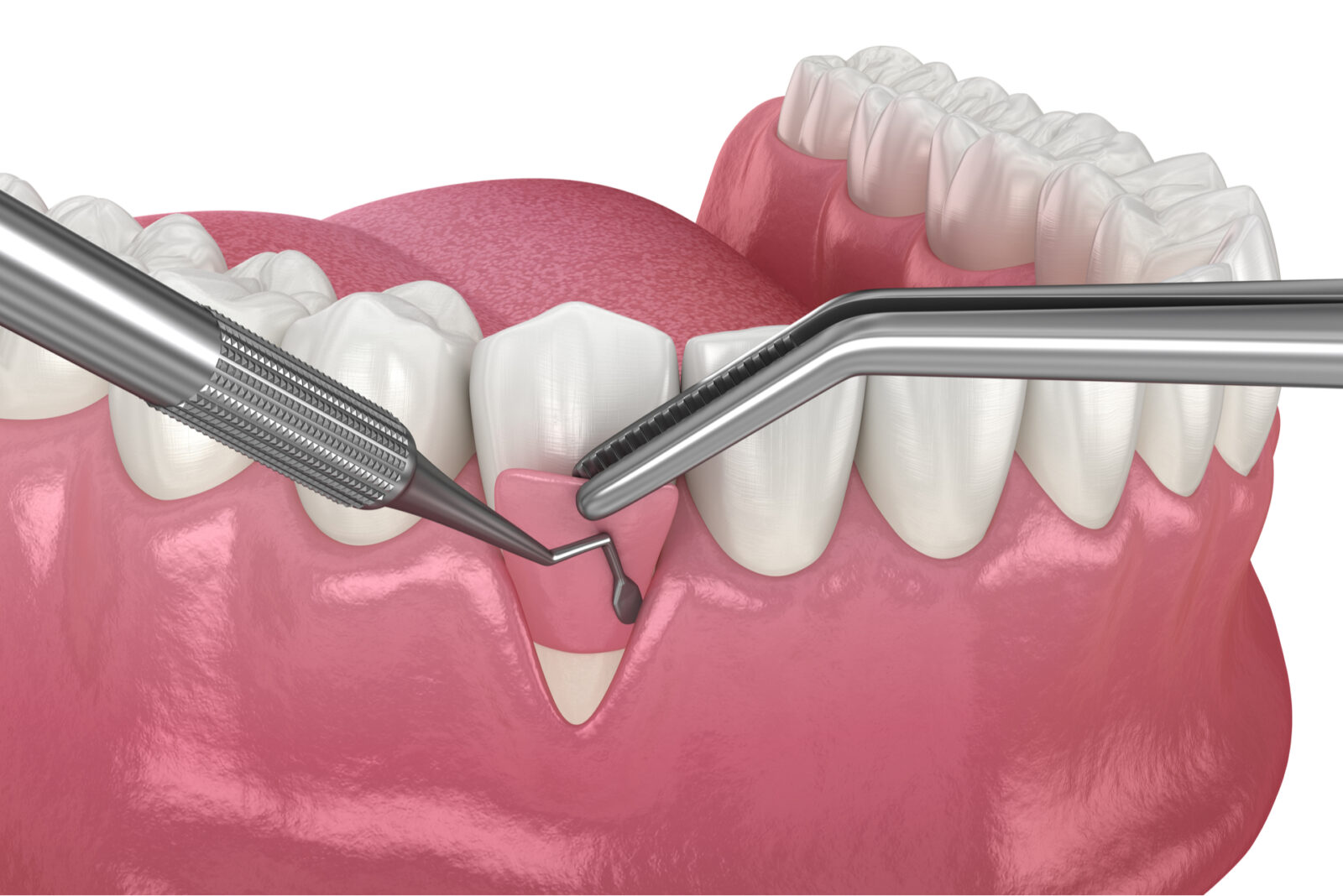

In the evolving landscape of periodontal therapy, soft tissue grafting has become a cornerstone procedure for both functional and aesthetic outcomes. Whether the goal is to enhance keratinised tissue, cover exposed roots, or improve patient comfort and oral health, periodontists in the UK have two primary autogenous grafting options: the connective tissue graft (CTG) and the free gingival graft (FGG). But how do these experts decide which approach is best for each clinical scenario? What are the current trends, evidence, and real-world considerations shaping modern soft tissue grafting in the UK?
Drawing from 15 years of experience writing for dental professionals and collaborating with periodontists, this comprehensive guide explores the core differences between CTG and FGG, their indications, nuances in technique, and the decision-making process in British practice today.
Why Soft Tissue Grafting Matters
Soft tissue deficiencies can lead to a host of clinical issues, including gingival recession, root sensitivity, inflammation, and compromised aesthetics—particularly in the anterior smile zone. Soft tissue grafting not only addresses these concerns but also helps maintain long-term periodontal and peri-implant health by:
- Increasing the width and thickness of keratinised tissue
- Improving soft tissue resilience to mechanical trauma and inflammation
- Reducing root exposure and hypersensitivity
- Enhancing aesthetics and patient satisfaction
However, not all soft tissue grafts are created equal. The choice between a connective tissue graft and a free gingival graft depends on multiple patient- and site-specific factors.
Free Gingival Graft (FGG): The Classic Approach
The free gingival graft is the oldest and most time-tested technique in soft tissue grafting. It involves harvesting a thin section of epithelium and underlying connective tissue—usually from the palate—and transplanting it to the recipient site where more keratinised tissue is needed.
Indications for FGG:
- Increasing the width of keratinised or attached gingiva, particularly in areas with minimal existing tissue
- Augmenting soft tissue around dental implants or natural teeth
- Providing a stable environment for oral hygiene in patients with high muscle or frenal pull
Advantages:
- Predictable gain in keratinised tissue width
- Straightforward technique, familiar to most periodontists
- Robust healing and long-term stability
Considerations:
- Colour and texture mismatch can occur, especially in the aesthetic zone
- The grafted area may appear lighter and less “blended” with adjacent tissue
- Palatal donor site can be sensitive during healing
Connective Tissue Graft (CTG): The Gold Standard for Aesthetics
The connective tissue graft, popularised in the late 20th century, involves harvesting connective tissue (without the overlying epithelium) from beneath a flap in the palate and placing it beneath a partial-thickness flap at the recipient site. The overlying tissue is then sutured back, hiding the graft.
Indications for CTG:
- Root coverage in cases of gingival recession (especially for aesthetic sites)
- Thickening of soft tissue biotype to prevent future recession
- Improving tissue contour and volume around implants or teeth
- Minimising root sensitivity
Advantages:
- Superior aesthetic outcomes: the graft is covered by the patient’s own tissue, resulting in excellent colour and texture match
- High predictability for root coverage (especially in Miller Class I and II recessions)
- Less discomfort at the donor site compared to FGG, as the palatal wound is closed primarily
Considerations:
- Technique-sensitive: requires surgical skill and precise flap management
- May be less effective than FGG for increasing keratinised tissue width in certain cases
- Slightly longer chair time and learning curve for clinicians
How UK Periodontists Decide: Key Factors in Graft Selection
- Clinical Indication and Site Assessment
The primary determinant in soft tissue grafting is the clinical objective.
Need to increase keratinised tissue width?
FGG is often preferred, especially in the posterior mandible or where tissue is extremely thin.
Desire for root coverage and aesthetics?
CTG is the gold standard, especially for single or multiple recessions in the aesthetic zone.
Implant maintenance or peri-implantitis prevention?
Both techniques can be used, but FGG is often chosen when a band of keratinised tissue is lacking, while CTG is selected to enhance tissue thickness and contour.
- Patient-Specific Factors
- Aesthetic expectations: Patients concerned about the visual outcome, especially in the smile zone, are typically better served with CTG.
- Medical history: Smoking, diabetes, or certain medications may affect healing; the choice of graft and technique may be adjusted accordingly.
- Oral hygiene: Patients with excellent compliance and motivation are better candidates for more technique-sensitive procedures.
- Donor Site Considerations
- Palatal anatomy: The thickness and shape of the palate can influence the ease and safety of harvesting either graft.
- Patient tolerance: CTG is often less painful postoperatively, as the donor area is closed, while FGG leaves an open wound.
- Experience and Training
- Surgeon’s preference: Periodontists with advanced microsurgical skills may lean towards CTG for its finesse and aesthetic results, while FGG remains a mainstay for broad applications and straightforward cases.
- Practice protocols: Some clinics standardise their approach based on outcomes, patient feedback, and workflow efficiency.
Trends in UK Soft Tissue Grafting
British periodontics is known for its evidence-based approach and patient-centred care. Recent trends in the UK include:
- Minimally invasive techniques: Such as tunnel or pouch procedures for CTG, reducing trauma and improving patient comfort.
- Allograft and xenograft alternatives: For patients who cannot or do not wish to use autogenous tissue, new biomaterials are supplementing traditional grafts, though autografts remain the gold standard for predictability.
- Digital planning: 3D imaging and intraoral scanning are now informing graft selection, flap design, and surgical simulation.
- Patient education: UK periodontists increasingly use visual aids and digital platforms to explain the pros and cons of each graft to patients, supporting shared decision-making.
Clinical Scenarios: When to Choose Which Graft?
Case 1: Lower incisor with minimal attached gingiva and high frenum pull
An FGG is often recommended to create a stable, keratinised band to facilitate oral hygiene and prevent further recession.
Case 2: Upper canine with Miller Class I recession, high aesthetic demand
A CTG, possibly in combination with a coronally advanced flap, is ideal for root coverage and perfect tissue blending.
Case 3: Implant in the premolar region with thin peri-implant mucosa
A CTG can be used to thicken the soft tissue and enhance long-term stability; if keratinised tissue is insufficient, an FGG may be added.
Case 4: Multiple adjacent recession defects
CTG via a tunnel or envelope technique enables coverage of several roots with minimal incisions, maximising patient comfort and results.
Patient-Centred Outcomes: What Matters Most
Ultimately, the soft tissue grafting technique chosen must align with the patient’s needs, expectations, and health profile. UK periodontists are known for their compassionate approach—discussing options transparently, tailoring recommendations, and prioritising both clinical success and patient satisfaction.
- Aesthetics: Does the patient want a seamless blend with natural tissue?
- Functionality: Is the priority to enable better cleaning, reduce sensitivity, or protect future restorations?
- Comfort: What is the patient’s pain tolerance and willingness to undergo surgery?
- Longevity: Is long-term stability the main concern?
The best outcomes result from a partnership between periodontist and patient, informed by the latest evidence and best practices.
The Future of Soft Tissue Grafting in the UK
With ongoing research, the range of options in soft tissue grafting continues to expand. The next decade will see even less invasive techniques, advanced biomaterials, and digital tools that make grafting more predictable and personalised. UK practices at the forefront of these innovations will offer patients gentler procedures, faster healing, and even more natural-looking results.
Conclusion
Connective tissue grafts and free gingival grafts are both essential tools in the modern UK periodontist’s armamentarium. The choice between them is nuanced, based on clinical, anatomical, and patient-specific factors. As soft tissue grafting evolves, the UK’s commitment to research, skill, and patient education ensures that every patient receives tailored, effective care.
Read More: Key Production Requirements Before Launching Your Supplement Brand Successfully
Restore Surgical can assist you in selecting the best materials and products for your soft tissue grafting procedures, whether you’re refining your technique or expanding your treatment options. If you wish, you can buy with them and benefit from their commitment to clinical excellence and ongoing support.
Disclaimer: This content is for informational purposes only and does not replace professional medical advice. For clinical decisions, always consult the latest guidelines and discuss all grafting options with your dental specialist or supplier.