
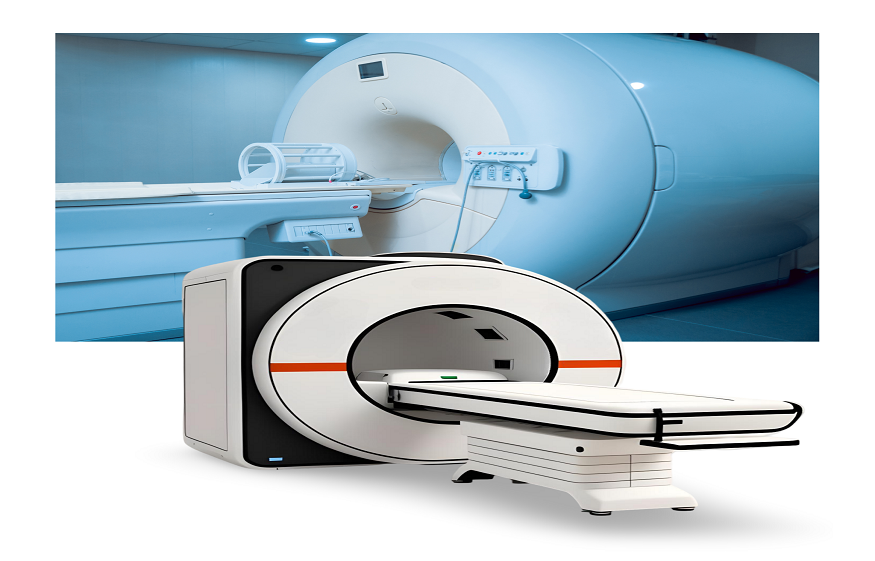

Diagnostic imaging is often associated with advanced scanners, detailed medical images, and complex technology. Yet behind every scan is a person who may be worried, uncomfortable, or uncertain about what the examination will reveal. In the opinion of Kasey McKillip, this is especially true in magnetic resonance imaging (MRI), where patients must enter a confined space, remain still, and tolerate loud noises for an extended period. For the professionals working in MRI, the role goes far beyond operating sophisticated equipment. It involves understanding people, earning their trust, and making a potentially stressful medical experience feel more manageable.
Kasey McKillip briefly talks about the human side of working in diagnostic imaging
An MRI technologist may perform several examinations during a single shift, but every patient experiences the appointment differently. One person may arrive for a routine follow-up, while another may be undergoing an MRI because of persistent pain or unexplained symptoms. Some may already have a diagnosis and be monitoring their condition, while others may be anxious about what the scan could uncover. Recognizing these differences is an important part of patient-centered imaging. A technologist who takes a moment to understand a patient’s concerns can often make the entire examination more comfortable. A simple conversation before the scan can help establish trust and make the patient feel less like a name on a schedule and more like an individual receiving care.
Read More: THE RISE OF FUNCTIONAL SNACKING IN THE PET WORLD
Claustrophobia is one of the most common challenges associated with diagnostic imaging procedures like MRI. The scanner’s narrow opening, enclosed environment, loud sounds, and requirement to remain still can make even calm patients uncomfortable. Some may become nervous as soon as they see the machine. A compassionate MRI technologist does not dismiss these concerns. Instead, they explain what will happen and allow the patient to ask questions. Describing the noises, expected duration, communication methods, and available breaks can help remove some of the uncertainty. When appropriate, the technologist may also discuss practical comfort measures with the clinical team. The ability to recognize anxiety is just as important as knowing how to operate the scanner. A patient who feels heard and reassured is often better able to cooperate throughout the examination.
When it comes to diagnostic imaging, communication is not simply about being friendly. It directly influences the quality and efficiency of an examination. According to Kasey McKillip, patients need clear instructions about positioning, breathing, movement, and what to expect during different stages of the scan. MRI technologists often need to explain technical procedures in language that patients can easily understand. Medical terminology may be familiar to healthcare professionals but confusing to someone lying on an examination table. Good communication therefore means simplifying information without making the patient feel uninformed. Listening is equally important. A patient may mention discomfort, previous difficulties with MRI, or concerns about an implant that could affect the examination. Paying attention to these details can support both safety and patient confidence.
Read More: TIPS FOR FIRST-TIME VISITORS TO MOUNT VERNON DISPENSARIES
The human side of diagnostic imaging extends beyond patient interaction. Diagnostic imaging depends on teamwork between technologists, radiologists, nurses, physicians, administrative staff, and other healthcare professionals. Effective teamwork helps examinations run smoothly and reduces unnecessary stress for patients. Clear communication about clinical information, preparation requirements, safety concerns, and examination priorities allows the entire team to provide better care.